How Prototyping Tools Can Improve Your Website’s UX
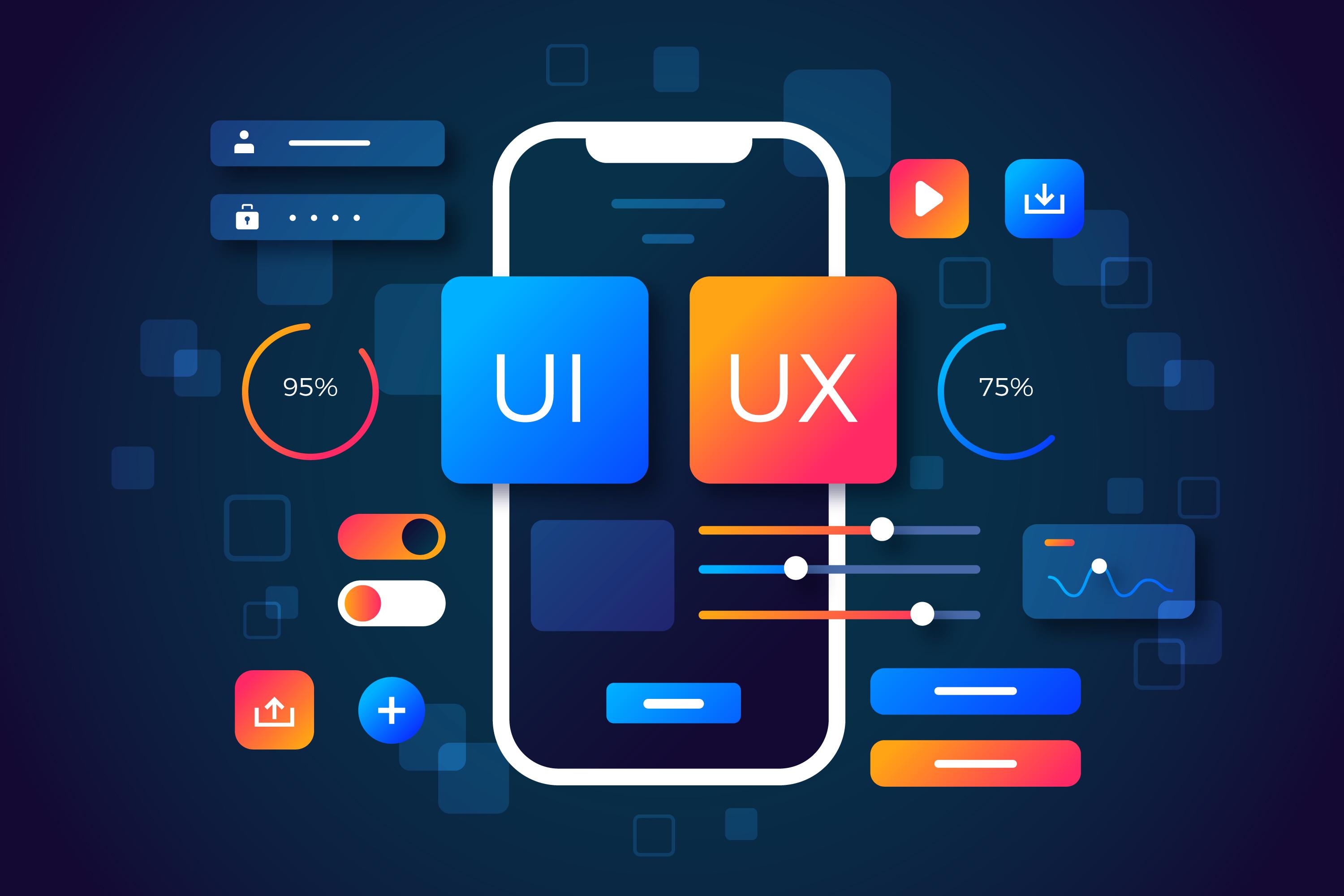
In today’s competitive digital landscape, providing users with an intuitive and seamless experience is a top priority. Prototyping tools are essential for achieving this goal, as they help design teams visualize and test their ideas before implementing them on the live site. By leveraging these tools, developers and designers can refine user flows, gather feedback, and ensure that the final website delivers an outstanding user experience. This article explores how prototyping tools can significantly improve UI UX of a website and enhance the overall design process.
1. Understanding Prototyping Tools in Web Design
Prototyping tools are software applications that allow designers to create interactive mockups and simulations of a website’s user interface. These tools are used to map out website elements such as buttons, navigation menus, and content layouts in a visually engaging manner. By utilizing UI UX web design techniques, prototypes can be tested, iterated, and improved upon before actual development begins.
2. Speeding Up the Design Process
One of the most significant benefits of prototyping tools is their ability to speed up the design process. Instead of spending time developing a website that may require multiple revisions, designers can quickly create low-fidelity prototypes to visualize concepts. This accelerated workflow allows for quicker decision-making, helping teams stay on track to meet deadlines and deliver projects efficiently.
3. Enhancing Collaboration Among Teams
Prototyping tools foster better collaboration between design, development, and product teams. By providing a visual representation of how the final product will function, teams can easily communicate ideas and align their vision. These tools help eliminate misunderstandings that may arise from static wireframes or conceptual sketches, ensuring all team members are on the same page.
4. Improving User Testing and Feedback
Prototyping tools make it easier to gather feedback from users. Interactive prototypes allow real users to engage with the interface before the site is built, providing valuable insights into how they navigate the site. Early-stage user testing helps identify potential issues and areas for improvement, which is key to how to improve UI UX of a website and can significantly improve the user experience once the final product is launched.
5. Creating High-Fidelity, Interactive Prototypes
While low-fidelity prototypes help with initial concept testing, high-fidelity prototypes enable designers to create more realistic simulations that closely resemble the final product. These interactive mockups offer a comprehensive look at how the website will perform, with functional buttons, menus, and transitions. By incorporating high-fidelity prototypes into the design process, teams can identify small details that may impact usability, such as button placement or user flow.
6. Streamlining Iteration and Refinement
Prototyping tools enable designers to quickly iterate on their ideas, making it easy to test multiple variations of a design. If a particular element isn’t working as expected, it can be tweaked or swapped out without disrupting the entire design. This continuous cycle of testing and refinement ensures that the final website meets user expectations and delivers a superior experience.
7. Facilitating Consistency in Design
Consistency is key when designing a website, as users expect a cohesive experience across all pages. Prototyping tools allow designers to create reusable components and templates that maintain design consistency throughout the site. By streamlining the creation of these elements, teams can ensure that buttons, headers, and other interface elements follow the same design pattern, creating a polished and professional look.
8. Minimizing Development Costs and Time
Prototyping tools can also help reduce development costs and time by providing a clear blueprint for developers to follow. With interactive prototypes in hand, developers can quickly translate the design into code, reducing the chances of miscommunication or costly errors. This clarity allows developers to focus on functionality, knowing the design has already been tested and approved.
9. Enabling Mobile and Cross-Device Testing
As mobile usage continues to dominate the digital landscape, it’s crucial to ensure that websites perform well on all devices. Many prototyping tools come with built-in mobile device simulations, enabling designers to test how the website will look and function on smartphones, tablets, and desktops. This cross-device testing ensures that your website’s UI UX web design is optimized for all screen sizes, improving the overall user experience.
10. Simplifying the Handoff to Developers
Once the prototype has been tested and finalized, it’s time to hand it off to developers for implementation. Prototyping tools streamline this process by providing developers with all the necessary assets, including images, fonts, and specifications. This seamless handoff reduces the likelihood of errors and ensures that the final website closely aligns with the initial design vision.
11. Reducing User Confusion and Frustration
By testing prototypes with real users, designers can identify elements that may confuse or frustrate users. For example, a button might be too small, or a menu could be difficult to navigate. Early user testing helps address these issues before the website is launched, resulting in a smoother experience for visitors. This level of attention to detail is critical for how to improve UI UX of a website and ensuring that users can easily find what they need.
12. Boosting Conversion Rates
The ultimate goal of any website is to convert visitors into customers or clients. Prototyping tools enable designers to optimize the user journey by focusing on key areas of the website that drive conversions, such as calls-to-action (CTAs), forms, and product pages. By testing these elements in prototypes, designers can identify and refine the best-performing variations, increasing the likelihood of successful conversions.
13. Better Design Decision-Making
Prototypes allow teams to make informed design decisions based on real-world user data. Rather than relying solely on assumptions or guesswork, designers can validate their choices through user testing and feedback. This data-driven approach ensures that every design decision has a solid foundation, ultimately contributing to a more intuitive and effective website.
Conclusion
Prototyping tools are invaluable assets in the web design process, helping to refine user interfaces, streamline development, and improve the overall user experience. These tools empower design teams to visualize, test, and iterate on their ideas before they go live, ensuring that websites are user-friendly, efficient, and functional. By leveraging prototyping tools, businesses can improve UI UX design and create websites that delight users and drive conversions.


